
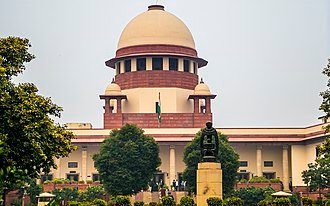
The Supreme Court of India has issued an interim order putting several key provisions of the Waqf (Amendment) Act, 2025 on hold, even as it allowed most of the law to stand. The order responds to a batch of nearly 65 petitions challenging parts of the amendment, with petitioners saying some clauses violate constitutional rights.
What Was Stayed / Suspended
The Court temporarily stayed certain controversial clauses of the Amended Waqf Act. Major provisions that are currently on hold include:
- Five Year Practice Rule
A requirement that a person must have “practised Islam for at least five years” before being able to dedicate property as a Waqf. The Court said that this clause is open to abuse and lacks a clear or fair way to verify religious practice. - Rights in Disputed Waqf Properties / Possibility of Altering Titles
Provisions that allow government officers, during inquiries, to alter revenue or Waqf board records, treat disputed lands as non-Waqf even before final determination, or allow non-Waqf status while a case is pending. These have been paused because of concerns about separation of powers and protection of property rights during pending disputes. - Limits on Representation and Composition of Waqf Boards
The Court has also issued limitations on how many non-Muslims can be members of the Central Waqf Council or State Waqf Boards. For example, no more than four non-Muslims in the 22-member Central Waqf Council; similar caps in State Boards.
These stays remain until the petitions are fully heard and decided.
What Was Not Stayed (Still in Force)
- The Court refused to stay the entire Amended Act. Most other provisions remain active while legal challenge continues.
- For example, the abolition of “Waqf by user” (where long use without formal registration could confer Waqf status) remains valid.
- Also, the changes related to the Limitation Act’s applicability (i.e. time limits to file claims) have not been paused.
Why This Order Is Significant
- Protecting Constitutional Rights
The interim order underscores that even laws passed by Parliament are subject to constitutional scrutiny, especially when they affect religious rights and property. It reflects the judiciary’s role in preventing potential misuse or overreach. - Religious Autonomy and Minority Concerns
Minorities had raised objections that some clauses including the “five-year practice” rule could interfere with their right to manage religious affairs. The stay shows the Court found merit in those concerns. - Balance Between Reform and Safeguards
The government argued the amendments are needed to bring transparency, curb misuse of waqf properties, and ensure better governance. The Court did not reject that goal, allowing most of the law to operate, but demanded safeguards against arbitrary or harsh clauses. - Legal Precedence for Oversight
This sets a precedent for close judicial oversight of laws that impact minority rights, especially when such laws delegate powers to administrative or revenue officials to alter property status. - Uncertainty Until Final Verdict
While parts are stayed, most of the law stands. Institutions like State Waqf Boards are already operating under the new Act in many respects, which means there will be transitional confusion and practical implications.
Reactions & Response
- Several Muslim organizations, civil society members, and minority political parties welcomed the interim order as a “relief,” saying it validates concerns about religious freedom and property rights.
- Government spokespeople also said the ruling confirms that the broader reforms in the Waqf Act are still legitimate, but that they will have to contend with the legal challenges and make sure implementation respects the Court’s directives.
What to Watch Going Forward
- Final hearing of the petitions: how the Court rules on the constitutionality of the Act’s clauses.
- How State governments respond: whether they will quickly frame rules, especially around verifying religious practice, nomination of members, etc.
- How Waqf Boards act in the meantime: whether operations involving disputed properties or changes in board composition are paused or modified.
- Public debates and political fallout: since waqf properties involve land, history, heritage, the potential for misunderstandings and tensions is high.