
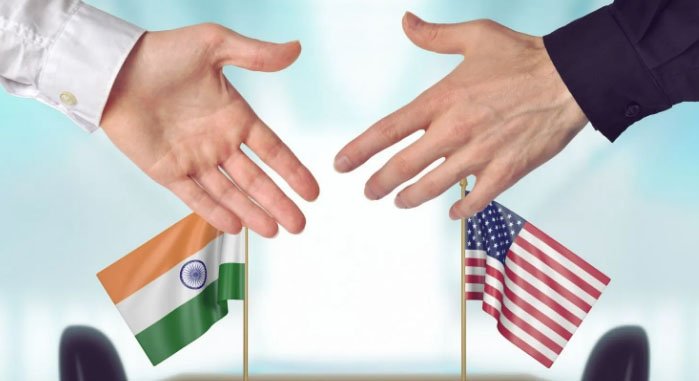
India and the United States today described their resumed trade talks as “positive and forward-looking,” signaling optimism about reaching a mutually advantageous trade agreement. The discussions were held between U.S. and Indian trade officials in New Delhi, with both sides agreeing to intensify efforts to conclude a deal at the earliest opportunity.
Key Figures & What Happened
- The U.S. delegation was led by Brendan Lynch, Assistant U.S. Trade Representative for South and Central Asia.
- India’s side was represented by Rajesh Agarwal, Special Secretary, Department of Commerce.
- The meeting was not formally called a full negotiating round, but rather a preparatory session to set the stage for the next full talks.
Main Issues & Challenges
- A major point of contention remains the tariffs imposed by the U.S. India is under pressure following punitive tariffs recently raised to 50% imposed over India’s continued procurement of oil from Russia.
- Another sensitive issue is U.S. demands for greater access to Indian markets in agriculture and dairy. India considers these sectors vital for millions of livelihoods and has insisted on protecting them.
- The outcome of future rounds may depend on whether the U.S. is willing to ease tariff burdens and how India balances its domestic red lines with trade concessions.
What Was Agreed
- Both sides agreed to step up efforts to finalize a trade agreement that is fair and beneficial to both.
- There was consensus on keeping communication channels open and maintaining momentum in negotiations.
- India emphasized that any deal must respect its “red lines” especially on agriculture, dairy, and energy imports, as well as avoiding compromises on economic sovereignty.
Why It Matters
- The recent U.S. tariff increases were hurting India’s export performance, particularly to the U.S. market. Indian exporters have warned of deeper losses if trade tensions continue.
- An improved trade deal could ease pressure on industries affected by high tariffs and help stabilize export revenues.
- For the U.S., getting a trade agreement could help address supply chain issues and open new markets, especially in agricultural and manufactured goods.
What to Watch Next
- Whether the U.S. will reduce or remove recent punitive tariffs, especially those related to India’s oil imports from Russia.
- How India manages its sensitive sectors and red lines during future negotiations.
- The timeline for the next formal round of talks. Both countries appear committed to wrapping up an interim agreement by the year end.