

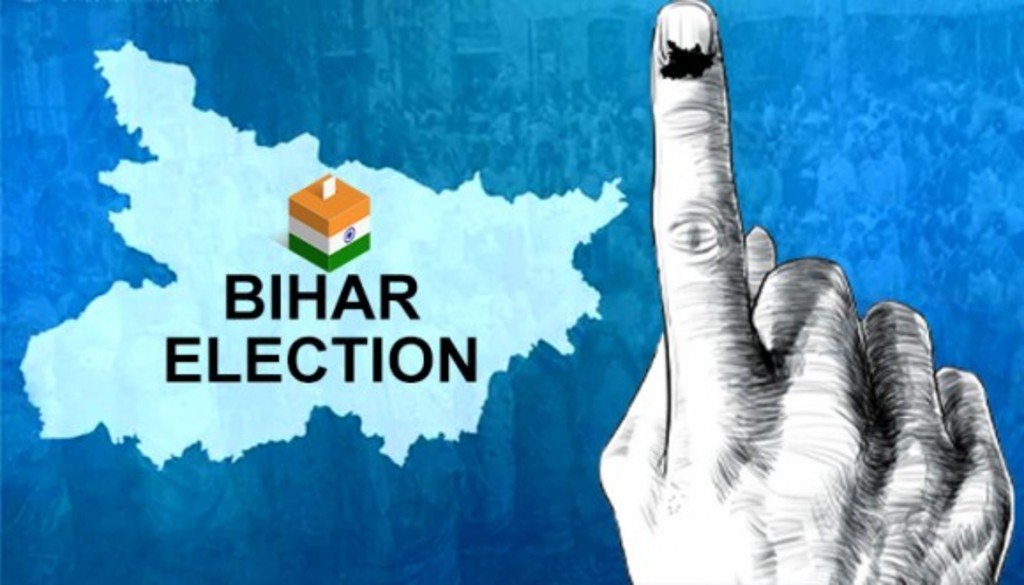
As Bihar gears up for the next Assembly elections, the opposition Mahagathbandhan (Grand Alliance) is facing growing stress over how seats are being divided among its member parties. With new allies joining and demands rising, the negotiations are becoming more complicated.
Key Players and New Entrants
The Mahagathbandhan currently includes major parties like the Rashtriya Janata Dal (RJD), Congress, the Left (CPI-ML, CPI, CPM), and the Vikassheel Insaan Party (VIP). Recently, two more parties the Jharkhand Mukti Morcha (JMM) and a faction of the Lok Janshakti Party (led by Pashupati Paras) have sought inclusion in the alliance. Their entry has added new variables to the seat-sharing negotiations.
Demands and Disagreements
- The Left parties are asking for a larger share of constituencies based on their past performances and vote shares. The CPI-ML (Marxist Leninist), for instance, has staked a claim to contest in as many as 40 seats, raising concerns among senior partners.
- Congress is pressing the RJD for a better allocation of seats, citing its organizational strength and vote share in certain districts. The RJD, however, aims to contest a significant number itself, creating tension between maximizing its share and maintaining unity.
Timeline and Pressure
Leaders say many issues have already been discussed, and allies expect the final seat sharing formula to be made public by mid September. The alliance faces pressure to resolve these wrangles soon or risk giving an advantage to the NDA, which is finalizing its own seat distribution.
Why It Matters
- Seat sharing is not just about numbers. It reflects political weight, perception among voters, and trust among partners. If smaller allies feel short changed, it could affect their enthusiasm on the ground.
- Winning constituencies depends on understanding local caste, community, and issue priorities. Poor allocation can lead to friction and reduced effectiveness.
- A clear and fair deal can help present a united front, which is crucial when voters see alliances that appear fragmented or self-serving.
What to Watch Next
- The announcement of the final seat-sharing formula who gains and who loses.
- How JMM and RLJP are accommodated, and at whose expense.
- Whether any parties break ranks or contest independently if their expectations aren’t met.