
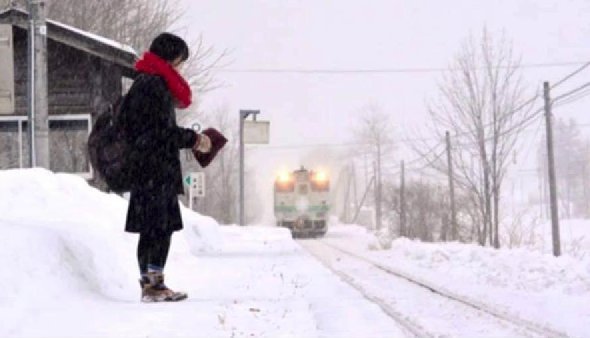
In an extraordinary example of empathy shaping public policy, Japan once kept a rural railway station open for the sake of a single schoolgirl. The Kami Shirataki Station in Hokkaido had become nearly redundant, with dwindling passengers and declining revenues. Railway authorities planned to shut it down. But when they realized that one girl relied on it to commute to school every day, they chose to keep the station operational until she completed her education.
The train schedule was adjusted around her school timings. Every morning, the train stopped to take her to class, and every evening, it brought her back home. No profit, no numbers just a decision rooted in compassion and responsibility.
This story, though simple, carries a powerful lesson. It tells us that governance and public services are not only about efficiency and economics but also about humanity. At a time when decisions are often driven by cost-benefit analyses, Japan showed that the needs of one citizen especially a young student are worth protecting.
For countries like India and others struggling with rural connectivity, dropout rates, and access to education, this example is a reminder that infrastructure should not only serve the majority but also protect the vulnerable. A single child’s education can transform an entire family’s future, and sometimes even a community’s.
Keeping a station open for one girl might seem impractical in strict business terms. But in moral terms, it is an investment in her education, her dignity, and in society’s values. The cost of closing doors on young learners is always greater than the cost of keeping them open.
When the girl finally graduated, the government closed the station permanently. That moment marked the end of a unique chapter one that showed how compassion and practicality can coexist. The world should take note: sometimes, keeping a door open for just one child can be the most meaningful policy of all.