
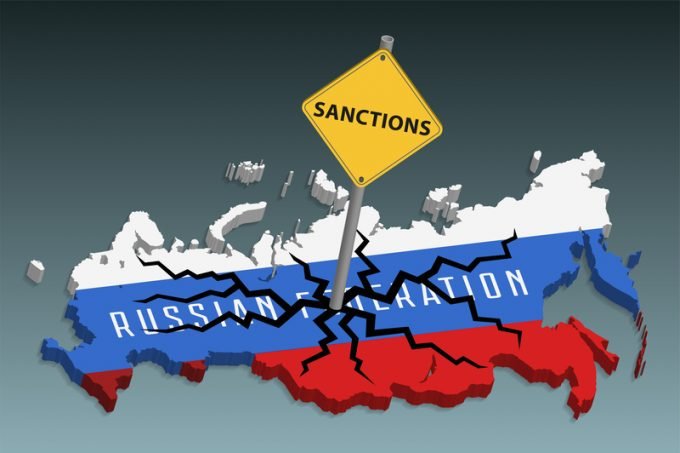
The Sanctioning Russia Act of 2025 (Senate Bill S.1241 and House Bill H.R.2548) is a proposed bipartisan U.S. legislation designed to pressure Russia into ending its war in Ukraine. It empowers the U.S. President to impose sweeping sanction measures, including:
- A 500% tariff on U.S. imports from nations purchasing Russian oil, gas, uranium, or petroleum products.
- Secondary sanctions targeting countries trading with Russia.
- Asset freezes and visa bans on Russian officials, financial entities, and military leaders.
- A ban on U.S. exports and investments in Russian energy sectors.
The bill was introduced by Senator Lindsey Graham (R‑SC) and co-sponsored by a bipartisan super majority in the Senate. A companion bill in the House was filed by Rep. Brian Fitzpatrick (R‑PA).
How Could It Impact India?
1. Energy Trade Under Threat
India imported around 35 to 40% of its crude oil from Russia in 2024, benefiting from discounted prices. Under the proposed act, India could face 500% U.S. tariffs if it continues to purchase Russian energy. The bill provides a waiver mechanism for strategic or security reasons, though these would be discretionary and short-term.
2. Economic & Export Exposure
- India’s fuel exporters including giants Nayara Energy and Reliance Industries may suffer if Europe or the U.S. prohibits imports of products refined from Russian crude. Reports tell us Indian fuel exports to the EU shrank from $19.2B to around $15B in 2024-25 due to such trade disruptions.
- The proposed tariffs could disrupt India-U.S. trade relations and affect multiple sectors beyond oil, since many petrochemical derivatives and minerals are involved.
3. Compliance & Legal Risks
With increased scrutiny on shipping and payments tied to Russian oil, Indian businesses may face challenges ensuring compliance with global sanctions. Companies may need to switch to Western-compliant suppliers and shipping channels not just for risk mitigation but to safeguard access to international financial systems.
Current Status & Outlook
- The bill is gaining momentum in both the Senate and House, but it remains pending while lawmakers await a 50 day window for potential U.S. Russia peace negotiations. President Trump has signaled readiness to use executive powers if needed, which may either delay or pre-empt the bill.
- The U.S. House Speaker has indicated that formal action may wait, giving room for executive discretion first.
Summary Table
| Aspect | Details |
|---|---|
| Bill | Sanctioning Russia Act of 2025 (S.1241 / H.R.2548) |
| Purpose | Pressure Russia to negotiate peace; penalize its energy revenue mechanisms |
| Tariffs Proposed | 500% on imports from Russia & countries buying Russian energy |
| Waiver Provision | One-time presidential waiver of 180 days, potentially extendable |
| India’s Exposure | Large importer of Russian oil; substantial export and trade risks |
| Status | Introduced; awaiting legislative or executive action |
| Impact on India | Potentially high requires strategic recalibration of energy & trade policy |
Final Thoughts
For India heavily reliant on Russian energy amid global shifts the Sanctioning Russia Act of 2025 presents a challenging scenario. While the intent is to curb Russia’s war funding, countries deeply integrated into Russian energy trade, including India, are exposed to heavy tariffs and trade disruption. As such, proactive diplomatic engagement, supply diversification, and legal compliance will be critical for India to navigate potential fallout, without compromising energy and economic security.